
Why Interviewing Your Parents Can Be Harder Than You Think


It seems like it should be simple, right??
Sit down with your mom or dad. Turn on your phone. Ask a few questions about their childhood, their parents, how they met, what life was like when they were younger.
But if you’ve ever actually tried it, you probably know it doesn’t always go the way you imagined.
I hear some version of this from families all the time: “I’ve tried asking him about this before, but he never really tells me much.”
And then I sit down with that same person, and a little bit later we’re talking about the house they grew up in, the trouble they got into as a teenager, the first job they hated, the person they almost married, what their dad was really like, or some tiny memory they haven’t thought about in 50 years.
Okay here's the thing - It’s not because I have better questions than their family.
It’s because I’m not their family.
You already know too much about each other
When we talk to our parents, there’s an entire lifetime sitting in the room with us.
We know their personalities, which stories they always tell, which subjects might make them emotional. We know when they’re exaggerating. They know when we already know the answer.
So we naturally skip things.

A dad might say, “Oh, you know what Grandpa was like.”
And his daughter does know.
But someday, her children might not.
That’s one of the things I’ve become much more aware of while making these films: families communicate in shorthand.
There are hundreds of little details everyone assumes will always be common knowledge. Until eventually they aren't.
Sometimes being a stranger actually helps
There’s an interesting thing that happens when I interview someone I’ve never met before.
They have to explain things to me.
I don't know where the old farmhouse was. I don't know why everyone laughed when Uncle Jim walked into the room. I don't know what their mother was like when she was angry or why winning a milking competition in high school still matters to them decades later.

So I ask.
“What was she like?”
“What did that house look like?”
“Why do you think you still remember that?”
“What happened next?”
Those simple follow-up questions are often where the best stories live.
Not in the big milestones, but in the details surrounding them.
Your relationship can change the answer
There’s another part of this that I think is easy to overlook.
Your parents aren't only telling you their story. They're telling their story to their child.
That matters.
There may be things they soften. Things they assume you don't want to hear. Things they feel silly talking about. Or memories they don't think are important enough to tell you.
Sometimes people are surprisingly open with someone outside the family because there isn't an established role to maintain.
For a little while, they aren't Mom, Dad, Grandma or Grandpa. They're just a person telling me what it was like to be them. And I think that's one of my favorite parts of what I do.
The best stories usually aren't answers to a list of questions
A good interview isn't:
Where were you born?
Where did you go to school?
When did you get married?
Those details matter, but they're usually just the doorway.
The interesting part is what happens after the first answer.
Someone mentions riding into town with their dad, so we stay there for a minute. What kind of truck was it? What did town look like then? Where did they go? What was their dad like when it was just the two of them?
One memory leads to another, and pretty soon, we're somewhere I never could have planned for on a questionnaire.
That's why I don't think of these films as simply recording an interview. My job is to listen closely enough to know when something deserves another question.
You can absolutely interview your parents yourself
And I think you should.
Ask questions in the car. Pull out the old photo albums. Ask your mom what she was like at 17. Ask your dad what he remembers about his grandparents. Ask what they worried about when they were your age. Ask about the ordinary stuff, too.
You don't need professional cameras for a conversation to matter.
But if you've tried and thought, Why can't I get them to talk like this? — it may have very little to do with your questions.
Sometimes we're simply too close to the people we love to see all the stories that are still sitting there.
That's part of why I love being the person on the other side of the camera.
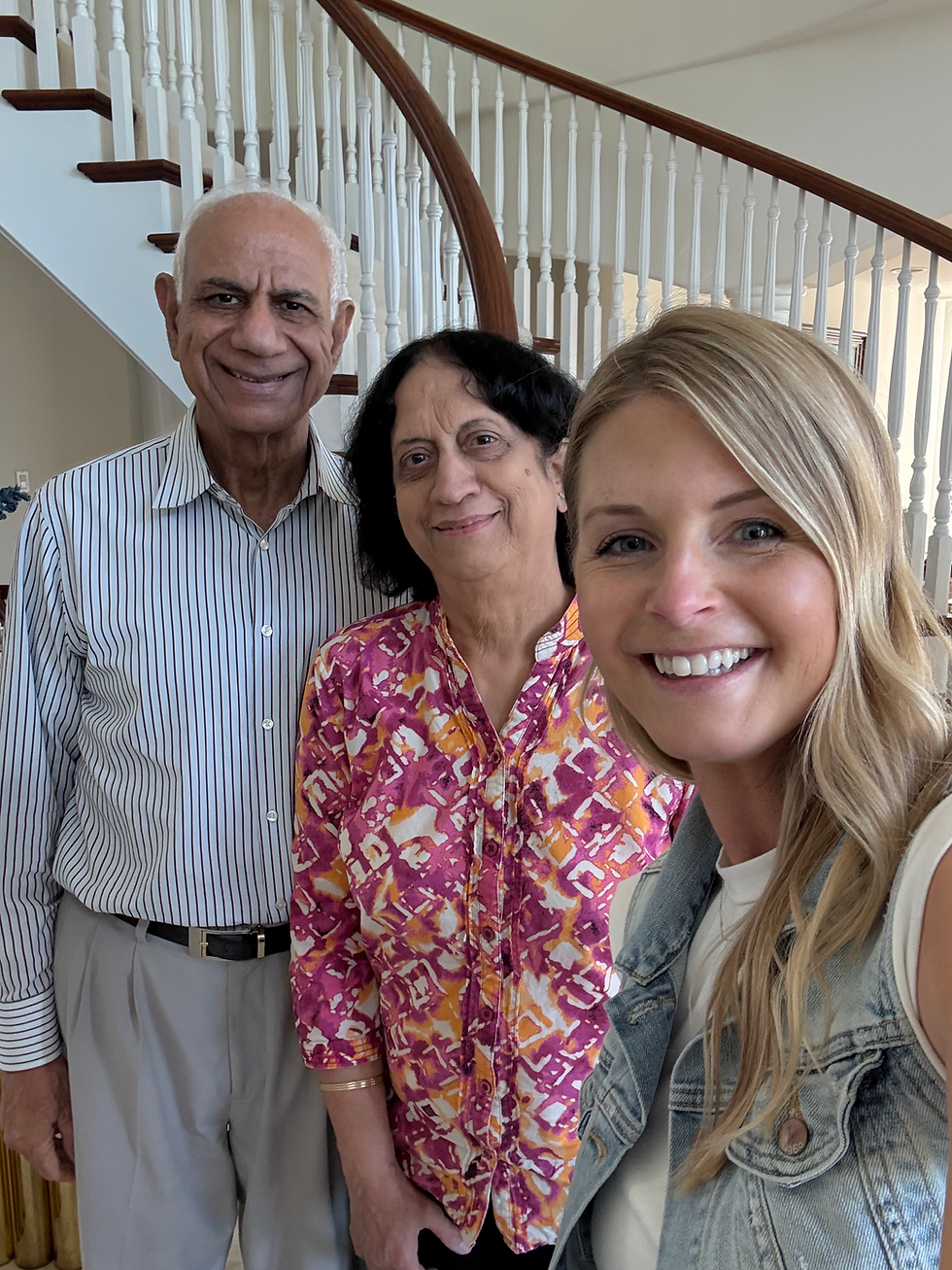
I get to meet your parents and grandparents as people first, and ask about the parts of their lives the rest of the family may not even realize they haven't heard yet.

-Brittany
Life Documentarian/Filmmaker and Owner of Positive Emissions Life Documentaries


Comments